
When most people picture sleep apnea, they picture a middle-aged man snoring loudly enough to rattle the windows. That picture isn’t wrong, but it’s incomplete, and that gap is a big reason so many women go years without a diagnosis.
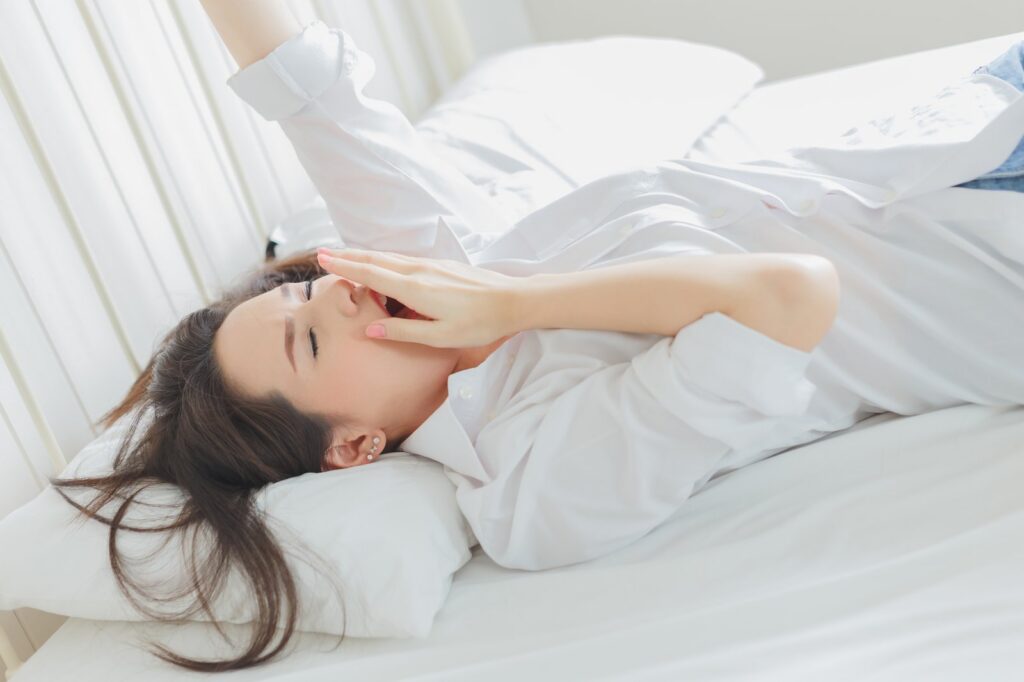
Women get sleep apnea too, and often. They just tend to show it differently. Instead of thunderous snoring and gasping, a woman with sleep apnea is more likely to say she can’t sleep, wakes up exhausted, has morning headaches, or feels anxious and low. Those complaints are easy to put down to stress, busy lives, hormones or depression. So the real cause gets missed.
Table of Contents
What sleep apnea actually is
Obstructive sleep apnea (OSA) happens when the airway in the throat narrows or collapses during sleep. Breathing becomes shallow or stops for a few seconds, oxygen levels can dip, and the brain briefly wakes you up to get breathing going again. Most people never remember these awakenings, but they can happen dozens of times an hour.
The result is sleep that looks long enough on the clock but never becomes deep and restorative. Over time, untreated sleep apnea is linked with high blood pressure, heart disease, atrial fibrillation, stroke, type 2 diabetes, weight gain and mood disorders.
How sleep apnea shows up in women
Research comparing men and women with the same severity of sleep apnea has found that women are more likely to report:
- Insomnia. Trouble falling asleep, or more commonly, waking during the night and not getting back to sleep.
- Fatigue and low energy rather than classic “falling asleep at the wheel” sleepiness.
- Morning headaches.
- Depression, anxiety, irritability or mood swings.
- Brain fog and trouble concentrating.
- Restless legs or unrefreshing, broken sleep.
- Heart palpitations or waking with a racing heart.
- Night sweats and frequent trips to the bathroom at night.
Snoring may still be there, but it’s often softer, and many women are less likely to mention it, or have no bed partner to notice it.
Women’s sleep apnea also tends to be more concentrated in REM sleep (the dreaming stage) and to involve partial airway narrowing rather than complete pauses. Both of these can make it harder to pick up on some screening tools and home tests.
Why it gets missed
There are a few overlapping reasons:
- The screening questions were built around men. Common questionnaires lean heavily on loud snoring, witnessed breathing pauses, a large neck size and male sex. A woman with insomnia and fatigue can score as “low risk” even when she isn’t.
- The symptoms overlap with other conditions. Fatigue, poor sleep and low mood are also features of depression, thyroid disease, anaemia and perimenopause. It’s easy to stop at the first explanation.
- Women are less likely to be referred for a sleep study. Studies have repeatedly shown women are diagnosed later and at lower rates than men with similar symptoms.
- Hormones change the picture over a lifetime. Progesterone and estrogen help keep the airway open. As they fall through perimenopause and menopause, the risk of sleep apnea rises sharply, at exactly the time when sleep problems are often blamed on hot flashes alone.
Who is at higher risk?
Any woman can develop sleep apnea, but risk is higher with:
- Perimenopause and menopause
- Pregnancy, especially in the third trimester
- Polycystic ovary syndrome (PCOS)
- Weight gain, particularly around the neck and midsection
- High blood pressure that is hard to control
- Type 2 diabetes or insulin resistance
- Hypothyroidism
- A small jaw, large tonsils, or nasal congestion
- A family history of sleep apnea
Sleep apnea is not only a condition of larger bodies. Women of a healthy weight can have it too, especially if their jaw or airway anatomy is narrow.
Why a proper assessment matters
If you’re living with poor sleep, fatigue or low mood that hasn’t improved, it’s worth asking whether your breathing at night has been checked. Untreated sleep apnea can quietly worsen blood pressure, blood sugar, weight, hormones, mood and libido, and treatments aimed at those problems often work less well while the sleep issue remains.
A good assessment looks at the whole picture:
- A detailed sleep history, including insomnia, night waking and daytime symptoms, not just snoring
- Hormonal stage (cycle changes, perimenopause, menopause)
- Blood pressure, metabolic health and weight changes
- Mood, concentration and quality of life
- An appropriate sleep study. A home sleep test is a good starting point for many people, but if it comes back normal and symptoms strongly suggest a problem, an in-lab study may be needed to catch milder, REM-related apnea.
The good news: it’s treatable
Once sleep apnea is diagnosed, there are effective options. Depending on severity and anatomy, these can include CPAP, custom oral appliances fitted by a dentist, positional therapy, treatment of nasal congestion, weight and metabolic support, and, in some cases, newer medications or procedures. For women in midlife, addressing menopausal symptoms and hormones can be an important part of improving sleep overall.
Many women describe effective treatment as getting their life back: more energy, clearer thinking, steadier moods and better health over the long term.
Ready for better sleep?
If you recognize yourself in this article, you don’t have to keep pushing through. Book an assessment with our team. We’ll look at your sleep, hormones and metabolic health together, and help you get the right testing and a plan that fits you.
Sources
- Young T, et al. The occurrence of sleep-disordered breathing among middle-aged adults. N Engl J Med. 1993;328:1230-1235.
- Bixler EO, et al. Prevalence of sleep-disordered breathing in women: effects of gender. Am J Respir Crit Care Med. 2001;163:608-613.
- Valipour A, et al. Gender-related differences in symptoms of patients with suspected breathing disorders in sleep. Sleep. 2007;30(3):312-319.
- Bonsignore MR, et al. Sex differences in obstructive sleep apnoea. Eur Respir Rev. 2019;28:190030.
- Lin CM, Davidson TM, Ancoli-Israel S. Gender differences in obstructive sleep apnea and treatment implications. Sleep Med Rev. 2008;12(6):481-496.
This article is for general education and isn’t a substitute for personal medical advice. Please speak with a qualified clinician about your symptoms.